

Vehicle Safety Inspection in Brantford, ON


Safety Inspection Services
Vehicle Safety Inspection Services You Can Rely On
Buying a used car in Brantford? Transferring ownership? A proper safety inspection isn’t just paperwork — it confirms your brakes, steering, tires, and suspension meet Ontario’s minimum safety standards before you’re legally on the road.
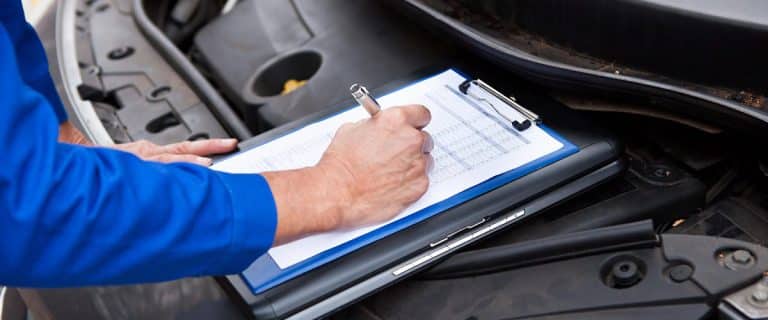
At Tech Savvy Automotive, inspections are done right: 310S-licensed technicians, full Ontario MTO compliance, and digital reports with photos. Whether you need a Safety Standards Certificate, a pre-purchase inspection, or a commercial fleet check, the approach is simple — no shortcuts, no surprises, just clear pass/fail results.
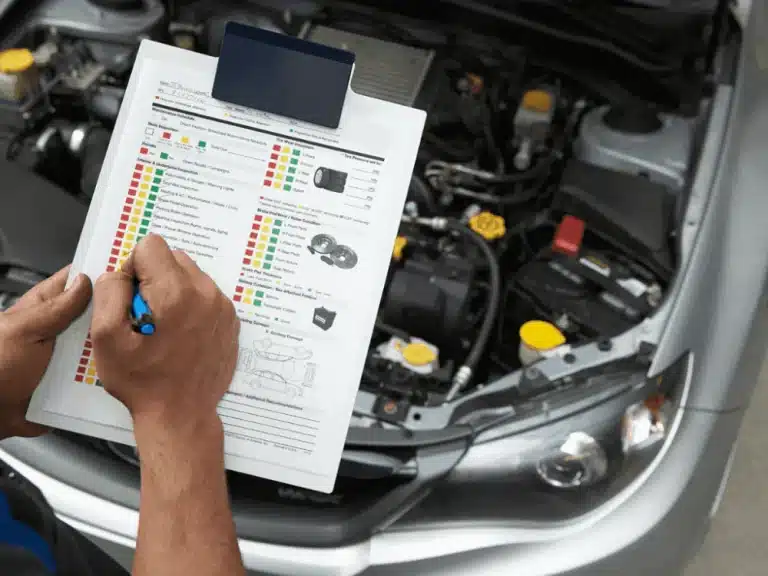

Ontario Safety Certificate and Safety Standards Certificate
What's required for a Safety Standards Certificate
Vehicles must meet MTO standards across key systems: brakes, steering and suspension, tires (minimum 1.5mm tread), lighting, windshield condition, mirrors and wipers, seatbelts and airbags, exhaust integrity, and body structure.
A Safety Certificate is a snapshot, not a warranty. It confirms the condition on inspection day, not long-term reliability.
At Tech Savvy Automotive, we don’t pass unsafe vehicles or upsell unnecessary repairs. If something fails, we show you why with photos and explain your options clearly: what’s required, what’s recommended, and what can wait.
When you need a Safety Standards Certificate in Brantford:
- Buying or selling a used vehicle privately
- Transferring ownership (family or estate)
- Registering an out-of-province vehicle
- Re-registering a rebuilt vehicle
- Renewing registration for certain older vehicles
Pre-Purchase Inspection for Used Vehicles
What a Pre-purchase Inspection Covers
- Engine condition (leaks, noise, oil condition)
- Transmission performance and fluid condition
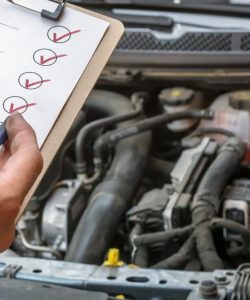
- Cooling system (radiator, hoses, coolant)
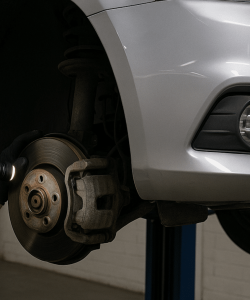
- Brake system (pads, rotors, fluid, operation)
- Suspension and steering (wear, leaks, alignment concerns)
- Tires (tread life, uneven wear)
- Exhaust system (rust, leaks)
- Electrical systems (battery, alternator, warning lights)
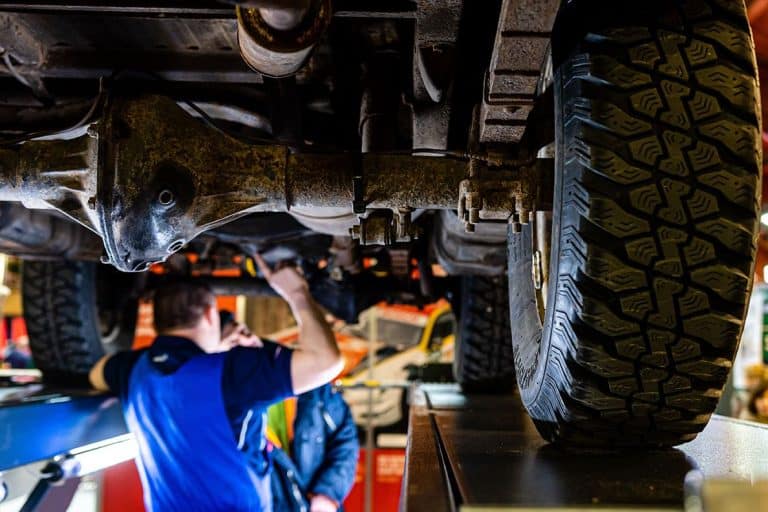
- Undercarriage (rust, damage, leaks)
- Road test (handling, vibration, drivability)

Digital Vehicle Inspection
Digital Vehicle Inspection With Photos Sent to Your Phone
How Digital Inspections Work
Vehicle Safety Inspection
Commercial Vehicle Safety Inspections
Commercial Inspection Services We Provide
Focus areas include:
- Brakes (higher wear from heavy use)
- Suspension and steering (load-related stress)
- Tires (load rating, tread, inflation)
- Lighting and signals
- Exhaust system integrity
- Fluid leaks

Fleet Inspection
Fleet Inspection Scheduling
How Fleet Scheduling Helps
- Staggered scheduling: Inspections spread throughout the year to avoid having multiple vehicles out of service simultaneously
- Preventative maintenance coordination: Safety inspections combined with oil changes, tire rotations, and other scheduled maintenance to reduce shop visits
- Digital record keeping: All inspection reports, photos, and service history accessible online for compliance documentation
- Proactive alerts: Automated reminders when inspections are due, registration renewals approaching, or recommended maintenance intervals reached
- Priority scheduling: Dedicated time slots for fleet vehicles to minimize wait times and downtime
ADAS Calibration Services
Why ADAS Calibration Matters
ADAS sensors and cameras are precisely calibrated at the factory. Even small changes to vehicle geometry can throw off that calibration, causing systems to malfunction, trigger warning lights, or fail to activate when needed.
ADAS recalibration is required after:- Windshield replacement (forward-facing cameras are mounted behind the windshield)
- Wheel alignment (changes suspension geometry affecting sensor angles)
- Suspension repairs (strut replacement, control arm replacement, ride height changes)
- Collision repairs (even minor front-end impacts can misalign radar sensors)
- Bumper removal or replacement (radar sensors are often mounted in bumpers)

What's Inspected: A Comprehensive Checklist
Braking System
Brake pads and shoes (minimum thickness requirements), rotors and drums (thickness, scoring, cracking, runout), calipers and wheel cylinders (operation, leaks, seized pistons), brake lines and hoses (rust, cracks, leaks, proper routing), master cylinder and brake fluid (level, contamination, moisture content), parking brake operation (holds vehicle on incline, releases fully), ABS function (warning lights, system integrity).
Body and structure
Doors, hood, and trunk (latches secure, open/close properly), body panels (rust-through, sharp edges, structural integrity), bumpers (secure mounting, no excessive damage), floor pan and frame (rust perforation, previous accident damage), fuel tank and filler (secure, no leaks, cap seals properly).
Tires and wheels
Tread depth (minimum 1.5mm across tire width for safety certificate), tire condition (cuts, bulges, sidewall damage, uneven wear), proper tire sizing (matches vehicle specifications, all four compatible), wheel integrity (cracks, bends, proper lug nut torque), tire pressure (checked and adjusted to manufacturer specifications).
Exhaust and Emissions
Exhaust system condition (rust, holes, loose mounting), catalytic converter (present and functional), emissions routing (no exhaust entering passenger cabin), visible smoke or unusual odors during operation.
Fluids and Underhood Checks
Engine oil level and condition (leaks, contamination, proper viscosity), coolant level and condition (leaks, freeze protection, contamination), transmission fluid (level, condition, leaks), power steering fluid (if equipped — level, leaks), brake fluid (level, moisture content), windshield washer fluid (level, operation).
Safety Equipment
Seatbelts (all present, functional, latch properly, no fraying), airbag warning lights (system operational, no faults), horn (audible, operates from steering wheel), dashboard warning lights (check engine, ABS, airbag, brake system illuminate at key-on and extinguish).
Steering and Suspension
Steering components (tie rod ends, ball joints, steering rack, power steering system), control arms and bushings (wear, play, cracking), shocks and struts (leaks, worn mounts, excessive bounce), springs (broken, sagging, damaged), wheel bearings (play, noise, proper adjustment), alignment indicators (tire wear patterns, vehicle pull, steering wheel centring).
Lighting and visibility
Headlights (low beam, high beam, proper aim), brake lights and turn signals (all bulbs functional, proper color), hazard lights (flash in sync), license plate light (illuminates plate), windshield (no cracks in driver's vision, proper installation), mirrors (driver and passenger side present and secure), wipers and washers (blade condition, full sweep, washer spray pattern).
Our Inspection Process
Initial discussion
We begin by understanding your reason for the visit. Whether you need a pre-purchase inspection, a Safety Standards Certificate, or fleet inspections, this helps us tailor the process to your needs.
We’ll also ask about any known concerns — warning lights, unusual noises, or handling issues — so we can give those areas extra attention during the inspection.
Thorough inspection
Our 310S-licensed technicians perform inspections according to Ontario Ministry of Transportation standards and our internal quality checklist. A proper inspection takes time, typically 1–2 hours, because we check key components, measure brake wear, inspect the undercarriage, test lights and signals, and document findings with photos. You can wait in our customer area or drop off your vehicle and return when the inspection is complete.
Digital reporting
All safety and pre-purchase inspections include digital reporting. Photos and notes are uploaded in real time, and you’ll receive a link by text or email to review the results on your phone or computer. Reports use a simple color-coded system:
- Red: Immediate safety concern or failure item (must be repaired for certification)
- Yellow: Recommended soon
- Green: Passed, good condition
Clear recommendations
If repairs are required to meet Ontario safety standards, we clearly explain what failed, why it failed, and the cost to fix it. You’ll receive a detailed estimate with parts and labour outlined — no hidden fees.
For items that pass but show wear, we prioritize recommendations so you know what needs attention now and what can be planned for later.
Your Decision, Your Timeline
We don’t use pressure. Required repairs for a Safety Standards Certificate are clearly identified, but any additional maintenance is your choice.
Once approved, most safety-related repairs are completed quickly — call ahead to confirm turnaround. We'll help you get your Safety Certificate and move forward without delay.
Book Your Safety Inspection
Book Your Safety Inspection in Brantford Today
No runaround. No unnecessary upselling. Just clear, honest assessments from licensed technicians who follow Ontario standards.
- 86 Winniett St, Brantford, ON N3T 1M9
- Mon-Fri: (8:00am to 5:00pm) | Sat-Sun: Closed